A Plant-Based Bioplastic
We’re facing a global plastic pollution crisis where a whopping 91% of plastic isn’t recycled (source). Enter PLA (short for polylactic acid). PLA is a bioplastic made from plant-based resources, typically fermented plant starch like corn, cassava and sugarcane. Better yet, PLA can be sent to a commercial compost facility so it’s suitable to mix with food waste.
BioPak PLA bioplastic products are certified industrially compostable to Australian and European Standards (AS4736, EN13432)
BioPak PLA bioplastic packaging is made from renewable resources: plants, not oil.
PLA Benefits: Here’s Why We Love It


PLA is made from renewable resources


PLA has a lower carbon footprint


PLA requires less energy


PLA aligns with the circular economy


PLA is certified industrially compostable
Get To Know PLA
Bioplastics are considered better for the environment than conventional plastics made from finite fossil fuels. PLA bioplastic is made from renewable plant based resources, making it industrially compostable to Australian and European Standards (AS4736, EN13432).
Yes, BioPak PLA bioplastic is made from plants, not oil. Plants are rapidly renewable and better for the environment, whereas oil is finite and its extraction, processing and conversion into products may have negative effects on people's health and the environment.
Yes. BioPak PLA products will biodegrade through an industrial composting process within 12 weeks and completely biodegrade after six months and are certified to Australian and European Standards (AS4736, EN13432).
According to an independent analysis by NatureWorks, producing PLA requires 52% less non-renewable energy (NREU) than traditional polymers like polystyrene. Read our peer reviewed and published eco-profile for the complete data set.(source).
There are different types, our coffee cup lids and bioplastic lined paper products are suitable for hot drinks, whereas our clear bioplastic cups and bowls must be stored out of direct sun and below 35°C. If stored correctly, they have a 12-month shelf life.
A lower carbon footprint and less energy required in production are just some of the reasons PLA aligns with the circular economy. The best bit? PLA comes from natural resources and can be returned to the earth naturally through the industrial composting process, mirroring the cradle-to-cradle model of the circular economy.
There are many benefits to bioplastics as they offer a more environmentally friendly solution to conventional plastic. They're made from renewable resources, have a lower carbon footprint and require less energy.
But there are some disadvantages of bioplastics and PLA. For starters, PLA packaging is often more expensive than conventional plastic (at least for now). It's also certified commercially compostable (AS4736) but not certified home compostable (AS5810). This means the conditions and temperature of home composts will not break down PLA bioplastics.
In saying that, as technology evolves we hope to see bioplastic transform into a fully home compostable resource. NatureWorks (world-leading biopolymers supplier) is getting close to a breakthrough with the incorporation of polyhydroxyalkanoate (PHA) with PLA. PHA may be the future of bioplastic — a tough, durable and potentially home compostable product. Watch this space.
Yes. Our PLA products are food safety certified – we list all product certification on the category page, including the food safety certifications.
Beware of Greenwashing
Unfortunately, greenwashing is rife in the sustainable packaging industry. Claims like “compostable”, “recyclable” and “biodegradable” can mislead and confuse. Here’s what you need to remember about these claims.
"COMPOSTABLE"
-
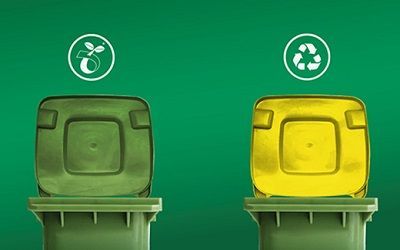
Look for the home compostable logo on the product, and more importantly, the company’s specific licence number (this can be verified in the Australian Bioplastics Association database).
-
Remember, to “adhere” to compostability standards is not the same as being certified.
"RECYCLABLE"
Check for the logo above in your packaging and verify its recyclability at Australasian Recycling Label (ARL).
"BIODEGRADABLE"
Everything ‘biodegrades’ eventually. Check the time it will take for the product to biodegrade. Will it take a year or 500 years? It’s time we demand transparency from the manufacturers.
PLA vs Traditional Plastic


PLA bioplastic is made from rapidly renewable plant starch.


BioPak PLA bioplastic is certified industrially compostable to Australian and European standards.


PET plastic is made using finite fossil resources.


PET is recyclable, but only 31% of all plastic is recycled in Australia, and most of this is plastic bottles.
What Is an Industrial Compostable Certification?
Home compostable certification verifies a product's claim of compostability and ensures it meets strict standards.
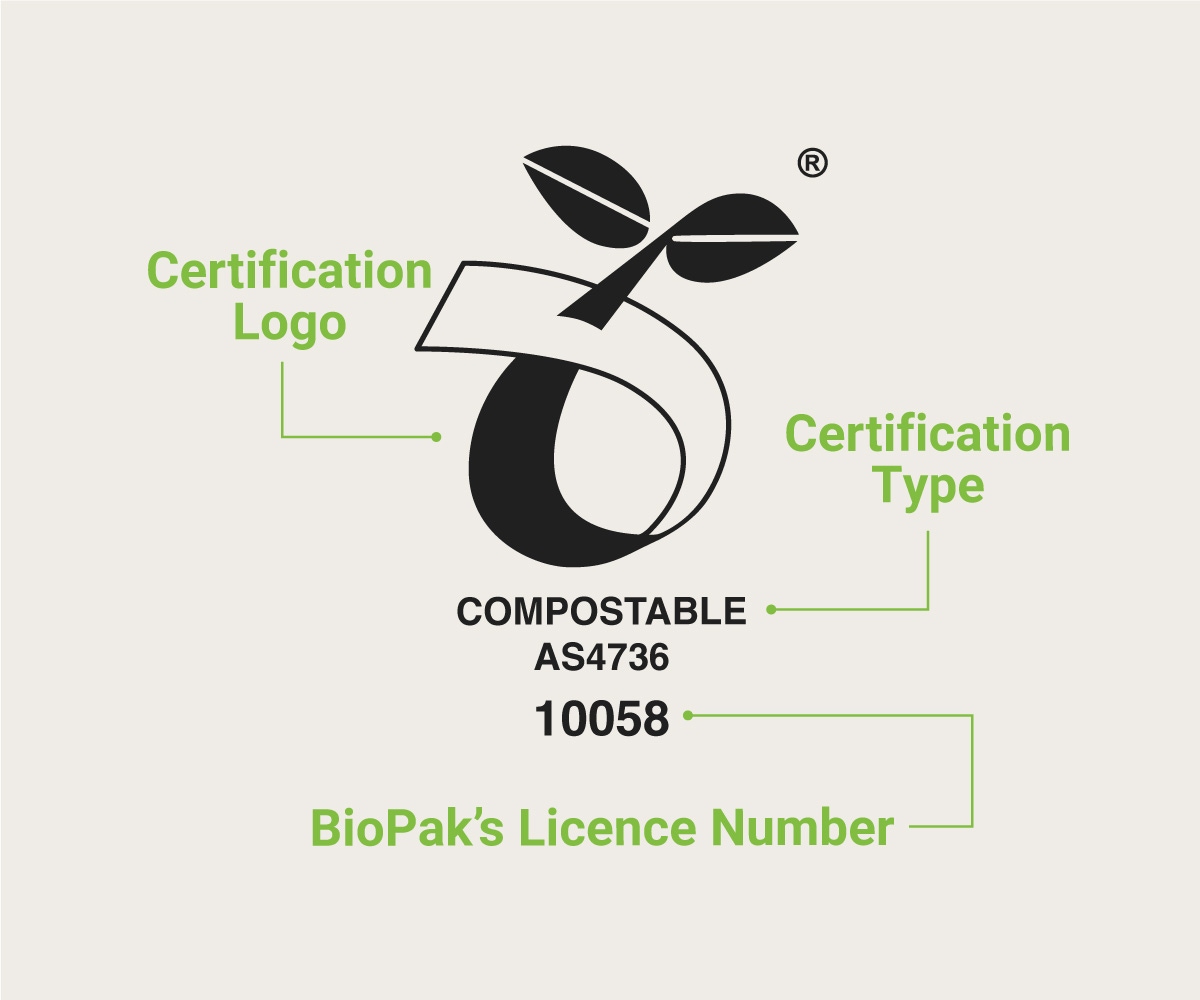
Certification Logo
The industrial compostable certification logo verifies a product’s claim of compostability.
Certification Type
This certification indicates the composting type and applicable region. To display the logo, materials must pass strict AS4736 tests at labs accredited by the Australian Bioplastic Association (ABA).
BioPak Licence Number
The unique licence numbers show that a specific business’ product range has passed the testing for compostability. You can search for the numbers on the ABA database.


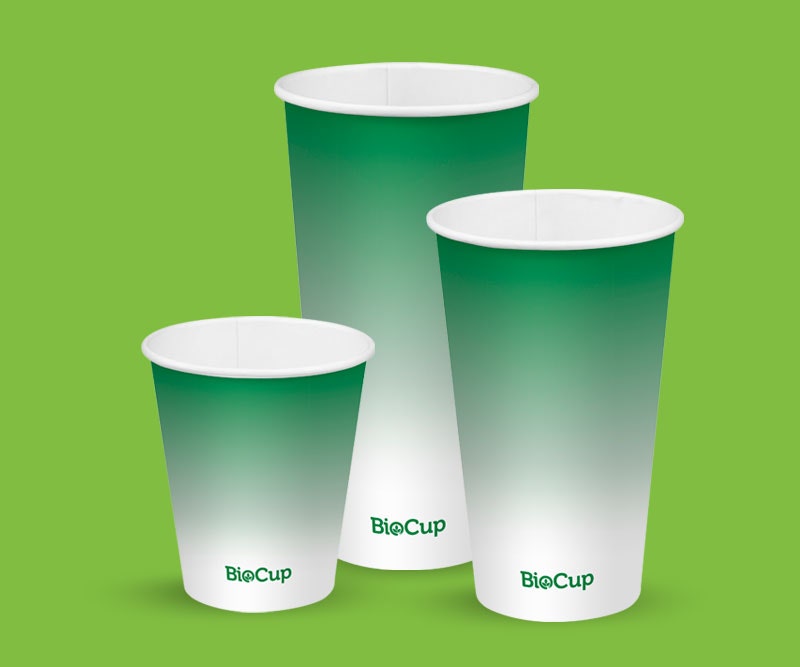
Shop BioPak’s Compostable PLA lids and BioCups
Clear Cold Cups
Shop Now →
Coffee Cup Lids
Shop Now →
Clear Bowls
Shop Now →
Clear Container Lids
Shop Now →
Bioplastic Lined Paper Containers
Shop Now →
Bioplastic Lined Paper Hot Cups
Shop Now →
Bioplastic Lined Paper Cold Cups
Shop Now →
Bioplastic Cutlery
Shop Now →Learn More About Bagasse
Compostable vs Recyclable: Which Is Better for the Environment?
Recycling & CompostingWhich is better for the environment, composting or recycling?
Are plant-based bioplastics really better for the environment?
What is PLA Plastic?
MaterialsPLA bioplastic is made from plant-based resources like corn, cassava and sugarcane.
Start Composting at Your Foodservice Business
Compost Connect is a not-for-profit platform connecting businesses to compost pick up services. Search your postcode to find out if compost collection is available in your area.
By joining Compost Connect, you’ll be diverting waste from landfill, reducing greenhouse gas emissions, showing your commitment to environmental sustainability, and turning your food and packaging waste into nutrient-rich compost!